
Product guidance
Data Privacy and Compliance in Phone Verification Workflows: A Best-Practices Guide
Learn best practices for data privacy and compliance in phone verification workflows using data minimization and synchronous platform registration signals.
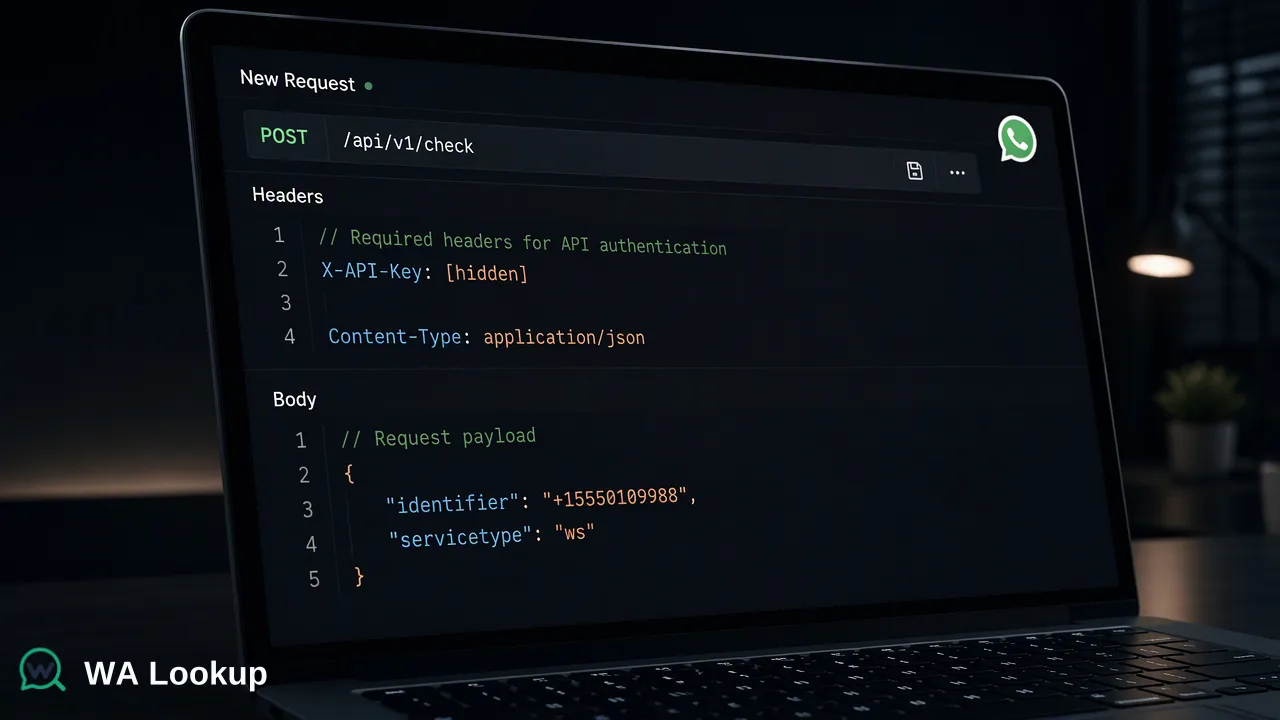
A comprehensive guide for technical and business teams on maintaining data privacy and regulatory compliance when integrating synchronous phone verification and platform-registration checks into customer workflows.
Data privacy in phone verification relies on data minimization—collecting only the specific signals required for a task—and transparent processing. By using real-time registration checks rather than storing persistent identity data, organizations can improve list hygiene and operational efficiency while adhering to global privacy standards.
The Foundation of Privacy-First Verification
Effective verification workflows must prioritize data minimization by only requesting necessary signals. Data minimization is the practice of limiting data collection and processing to only the information strictly necessary for the intended service. When organizations integrate phone verification into their systems, focusing on specific reachability signals helps maintain user trust and operational security. Modern communication strategies rely on accurate contact data to optimize outreach and support list hygiene. By utilizing a platform registration signal, teams gain a real-time indicator of whether a phone number is currently registered on a specific messaging platform. This approach allows businesses to segment audiences and route communications efficiently without requiring the collection or storage of extensive personal information. Adhering to these principles ensures that verification processes support operational goals while remaining aligned with global privacy standards.
Implementing Data Minimization in API Workflows
Technical implementation plays a critical role in enforcing data privacy. The WA Lookup platform offers a synchronous REST API to check WhatsApp registration status and account signals for a submitted phone number. To ensure data minimization, the API requires teams to specify exactly what information they need for their business rule. The documented request contract utilizes POST /api/v1/check with headers X-API-Key and Content-Type: application/json. The JSON body must include an E.164 formatted phone number and a specific service_type. By selecting ws for basic registration, ws_avatar for avatar availability and URL, or ws_business for business profile signals, organizations strictly control the scope of the data requested. This granular approach ensures that systems only process the exact fields required for the immediate workflow, preventing the over-collection of metadata.
Transparency and Metadata Management
Transparency in how verification metadata is generated and stored is essential for maintaining compliance. Verification signals are transient and should be treated as such within automated systems. The WA Lookup API supports this by returning results synchronously; every check endpoint returns its result in the initiating HTTP response. There is no asynchronous task-submission, polling, callback, or download workflow involved. The outer response envelope for a completed check consists of code, msg, and data. The public data object contains only the requested fields, such as service_type, identifier, and registered. If a check cannot be decided, the API returns a non-zero business code and no completed result object. This deterministic behavior ensures that systems do not store ambiguous records. Furthermore, automated logging should be used for troubleshooting without capturing unnecessary personal information, allowing technical teams to monitor system health while respecting user privacy.
Compliance in Automated Workflows
Integrating verification into automated workflows requires strict adherence to data lifecycle management. Verification signals inform reachability and contribute to cleaner workflow inputs, but they must be managed according to clear data deletion policies. Organizations must ensure that expired verification records are purged from their systems to comply with data retention regulations. For high-volume operations, teams can utilize a synchronous batch endpoint that accepts up to 100 identifiers in one request. This endpoint returns the whole batch or fails as a whole, maintaining the same synchronous processing model as single-number checks. By processing batches in real-time without creating persistent background tasks, organizations can efficiently manage list hygiene while upholding rigorous privacy standards.
Managing Access and Usage Controls
Maintaining oversight of verification activities is a key component of a compliant workflow. The WA Lookup web dashboard supports API key management, usage history, product-level reporting, recent checks, and 7-day trends. Compliance officers and operations managers can use these tools to audit system activity and ensure that verification services are utilized in accordance with internal privacy policies. Additionally, technical leads must configure their systems to respect documented per-user concurrency and timeout controls. Proper configuration ensures stable automated workflows without overwhelming the service. For advanced integrations, the platform offers an official MCP Server (Model Context Protocol) reachable at the /mcp path over Streamable HTTP / JSON-RPC. This allows MCP-compatible AI clients to perform real-time, synchronous single-number and small-batch checks using the existing API key, extending compliant verification capabilities to modern AI-assisted workflows.
FAQ
What is the role of data minimization in phone verification?
Data minimization involves limiting data collection to only the information strictly necessary for the intended service. In verification workflows, this means requesting a specific reachability signal to inform internal decisions rather than accumulating broad user profiles.
How do platform registration signals support compliance?
Platform registration signals provide a real-time indicator of whether a phone number is currently registered on a specific messaging platform. This allows organizations to clean contact lists and inform outreach strategies using transient data, supporting compliance with global privacy regulations.
Why is it important to treat verification results as transient data?
Treating verification results as transient ensures that organizations do not hold onto metadata longer than necessary. Implementing clear data deletion policies for expired verification records aligns with privacy best practices and reduces the risk associated with long-term data retention.
How does a synchronous API response model benefit data privacy?
A synchronous model returns the verification result in the initiating HTTP response. This architecture eliminates the need for asynchronous task-submission, polling, or downloadable result files, thereby reducing the duration data remains in transit or temporary storage.
How can organizations process multiple numbers compliantly?
Teams can utilize a synchronous batch endpoint that accepts up to 100 E.164 identifiers in a single request. This approach applies the same real-time processing and data minimization principles to larger datasets, returning the whole batch or failing as a whole without creating persistent background tasks.